Net-zero homes are like the superheroes of the housing world, swooping in to save both your wallet and the planet! These architectural marvels not only promise to produce as much energy as they consume but also provide a living space that’s kinder to Mother Earth. Whether you’re a seasoned eco-warrior or just dipping your toes into sustainable living, understanding the ins and outs of net-zero homes is essential for creating a greener future.
From innovative construction materials to energy-efficient designs, net-zero homes integrate cutting-edge technology and eco-friendly practices. With features like high-performance insulation and energy-efficient appliances, they’re built to keep energy costs low while reducing carbon footprints. Plus, let’s not forget the aesthetic value – who wouldn’t want to live in a stylish home that’s also doing its part to combat climate change?
Net-zero Homes Overview
In a world where Mother Nature sometimes throws tantrums more dramatic than a reality TV star, net-zero homes stand as a beacon of hope. These eco-friendly havens are designed to be energy-efficient, producing as much energy as they consume over the course of a year. The importance of these homes can’t be overstated: they help combat climate change, reduce energy bills, and ensure that your home doesn’t become a black hole for cash!Net-zero homes are crafted with a variety of innovative materials that not only promote sustainability but also enhance the aesthetics of modern living.
Imagine living in a house that’s not just a shelter but an eco-warrior! The construction materials used in net-zero homes often include:
Materials Used in Constructing Net-zero Homes
The choice of materials in net-zero homes is crucial, as they enhance energy efficiency and reduce the carbon footprint. Here are some of the key players in the sustainability club:
- High-Performance Insulation: This is like the cozy blanket your grandma knitted for you, but way more efficient. Materials like cellulose, made from recycled paper, or spray foam insulation keep your energy bills from going through the roof.
- Energy-Efficient Windows: Think of these as your home’s sunglasses. Double or triple-glazed glass windows provide insulation and reduce heat transfer, keeping your home cooler in summer and warmer in winter.
- Solar Panels: These shiny rectangles are the rock stars of the net-zero family, converting sunlight into electricity and reducing reliance on fossil fuels. They’re like magic wands for your energy bills!
- Recycled or Sustainably Sourced Materials: From reclaimed wood to bamboo flooring, these materials not only tell a story but also minimize environmental impact. It’s like giving a second life to old friends!
- Low-VOC Paints: No one wants to breathe in the “aroma” of toxic chemicals. Low-VOC (volatile organic compounds) paints help keep indoor air fresh and clean, ensuring you don’t feel like you’re living in a paint factory.
The benefits of adopting net-zero homes extend beyond the walls of the building. Homeowners enjoy significant savings on energy costs, contributing to a more sustainable lifestyle while basking in the knowledge that they are helping the environment. The reduction in greenhouse gas emissions means a healthier planet for future generations, proving that building a home can indeed be a noble endeavor.
“Net-zero homes: where saving the planet meets saving your wallet!”
The shift towards net-zero homes is not just a trend; it’s a movement towards a more sustainable future. By harnessing the power of innovative materials and technology, these homes exemplify how we can live harmoniously with our environment while enjoying all the comforts of modern living.
Energy Efficiency in Home Design

Designing homes that dance to the tune of energy efficiency is like hosting a party where the guests are your utility bills, and they just keep getting lower and lower. When a home embraces energy efficiency, it’s not just being kind to the environment; it’s also pulling a fast one on those pesky energy costs. Let’s dive into the features and essentials that make a house not just a home, but a net-zero powerhouse of efficiency.
Key Features Enhancing Energy Efficiency
Energy-efficient home design is all about making smart choices that encourage a sustainable lifestyle while maintaining comfort. Here’s a glimpse into the essential features that can transform a regular home into a lean, green energy-saving machine:
- High-Performance Insulation: This is the cozy blanket your home never knew it needed. Insulation keeps the warmth in during winter and the cool air in during summer, ensuring you don’t have to crank up the thermostat or blast the AC.
- Energy-Efficient Windows: Think of these as the superhero shades of your house. Double or triple-glazed windows, equipped with low-emissivity coatings, battle heat loss and gain, preventing your home from feeling like a sauna or an icebox.
- Smart Orientation: Positioning your home to take advantage of natural sunlight can dramatically reduce heating bills. Picture this: large south-facing windows soaking up the sun’s rays while strategically placed overhangs keep things cool in the summer.
- Ventilation Systems: Advanced ventilation systems provide fresh air without wasting energy. Heat recovery ventilators (HRVs) and energy recovery ventilators (ERVs) are like the bouncers of your home, ensuring only the freshest air gets in while keeping the energy flowing.
Essential Energy-Efficient Appliances
No net-zero home is complete without a lineup of appliances that are as energy-savvy as they are stylish. Choosing the right appliances is crucial to achieving energy efficiency, and they often come with the bonus of saving money and reducing environmental impact. Here’s a list of must-have energy-efficient appliances:
- Energy Star Certified Refrigerators: These fridges are the cool kids on the block, using significantly less energy than standard models while keeping your leftovers fresh and your ice cream perfectly frozen.
- High-Efficiency Washing Machines: These machines use less water and energy, making laundry day less of a chore and more of a ‘let’s save the planet’ day.
- Smart Thermostats: Control your home’s temperature like a maestro conducts an orchestra. Smart thermostats learn your habits and adjust heating and cooling to conserve energy without sacrificing comfort.
- LED Lighting: Swapping out incandescent bulbs for LEDs is like trading in a dinosaur for a spaceship. LEDs use up to 80% less energy and last much longer, lighting your way to an energy-efficient future.
The Role of Insulation and Windows
Insulation and windows are the dynamic duo in the quest for energy efficiency. They work tirelessly to keep the temperature inside your home as snug as a bug in a rug. Proper insulation minimizes heat transfer, which means you won’t be giving your furnace and air conditioner a workout they don’t need.
“Good insulation can reduce heating and cooling costs by up to 30%.”
Windows, on the other hand, are the eyes of your home, bringing in natural light while controlling heat gain and loss. Choosing the right windows can lead to significant energy savings by preventing drafts and ensuring that the warmth stays in during winter while keeping the heat at bay in summer. Combine high-performance insulation with energy-efficient windows, and you’ve got a recipe for a home that’s ready to take on the world—one energy bill at a time.
Home Improvement for Net-zero Living
In the grand adventure of transforming your home into a net-zero living paradise, we embark on a quest not just for energy efficiency but for a greener, happier lifestyle. Expect a blend of practicality and a dash of humor as we navigate the winding paths of home improvement, solar panel magic, and a sprinkle of Feng Shui wisdom. Buckle up, eco-warriors, as we turn your humble abode into a fortress of sustainability!
Retrofitting an Existing Home to Become Net-zero
Retrofitting your existing home to achieve net-zero energy consumption is like giving your house a superhero makeover. Here’s a step-by-step guide to help you unleash its full potential.
1. Energy Audit
First, enlist a professional energy auditor to pinpoint energy leaks faster than a ninja at a birthday party. Identify areas where you can improve insulation and reduce energy waste.
2. Insulation Upgrade
Invest in high-quality insulation for your walls, attic, and floors. Think of insulation as your home’s cozy blanket — no one likes a chilly, drafty fortress!
3. Window Replacement
If your windows are older than your last diet plan, it’s time for new double or triple-glazed windows that keep the temperature stable and the bills low.
4. Seal and Weatherstrip
Seal gaps, cracks, and any sneaky holes where air might escape. A little caulking can go a long way! Think of it as your home’s version of a good moisturizer.
5. Energy-Efficient Appliances
Swap out old appliances for ENERGY STAR-rated models. Not only will they save energy, but they’ll also save you from those awkward kitchen conversations with that appliance from the ’90s.
6. Smart Home Technology
Integrate smart thermostats and lighting systems that adjust based on your habits. Your home should work for you, not the other way around!
7. Renewable Energy Sources
Finally, consider installing solar panels. They’re like the cherry on top of your energy-efficient sundae, allowing you to generate your own clean energy.
Integration of Renewable Energy Sources in Home Improvement Projects
Integrating renewable energy sources, particularly solar panels, into your home renovation is crucial for achieving net-zero living. Solar panels are the rock stars of the green energy revolution, and here’s why you should invite them to your home improvement party.
1. Choosing the Right System
Decide between grid-tied, off-grid, or hybrid solar systems based on your energy needs and location. Grid-tied systems are perfect for those who wish to sell excess energy back to the grid, like a friendly neighbor dropping off cookies.
2. Roof Considerations
Assess your roof’s orientation and pitch. South-facing roofs are the shining heroes of solar energy capture, while shaded or north-facing roofs might need some extra love (or an energy makeover).
3. Battery Storage Solutions
Consider battery storage for energy generated during the day. This means you can harness the sun’s energy even after it has clocked out for the day, perfect for those Netflix binge-watching sessions at night.
4. Incentives and Rebates
Don’t forget to explore local incentives and rebates available for solar installation. It’s the government’s way of giving you a high-five for going green!
5. Professional Installation
Hire certified professionals for installation to ensure safety and efficiency. You wouldn’t want your solar panels to perform worse than your cooking on a Tuesday night!
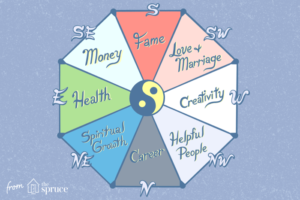
Significance of Feng Shui Principles in Designing Eco-friendly Living Spaces
Incorporating Feng Shui principles into your eco-friendly home design enhances not just energy efficiency but also the overall harmony and well-being of your living environment. Think of it as giving your home an inner glow to match its green exterior!
1. Natural Light
Maximize natural light to improve mood and energy levels. Large windows and open spaces channel positive energy (or Qi) while reducing the need for artificial lighting.
2. Air Flow
Ensure that your home has good ventilation to allow fresh air to flow through. Proper air circulation is crucial for a healthy living space and keeps the bad vibes at bay!
3. Earthy Materials
Use sustainable materials in your design. Bamboo flooring, reclaimed wood, and organic textiles not only look great but also resonate with the natural world, creating a balanced atmosphere.
4. Water Elements
Consider incorporating water features, like indoor fountains, that not only bring tranquility but also enhance the Feng Shui energy in your home. Just be sure to keep them clean; nobody likes a stagnant pond!
5. Greenery and Plants
Add plants throughout your space to purify the air and invite good energy. Plants are like the house party guests who always bring good vibes and clean the air with their leafy charm.With a blend of these home improvement strategies, retrofitting for net-zero living is not just achievable but can also be a fun and rewarding journey. Let the transformation begin!
Conclusion

In conclusion, net-zero homes are more than just a trend; they are a lifestyle choice that benefits homeowners and the environment alike. By retrofitting existing homes or starting from scratch, anyone can contribute to a sustainable future while enjoying the perks of modern living. So, why not join the net-zero revolution and turn your home into a beacon of sustainability?
Your future self—and the planet—will thank you!
Answers to Common Questions
What exactly is a net-zero home?
A net-zero home is a house that produces as much energy as it consumes over the course of a year, making it environmentally friendly and cost-effective.
Are net-zero homes more expensive to build?
While the upfront costs can be higher, the long-term savings on energy bills and incentives often make them a wise investment.
Can existing homes be converted to net-zero?
Absolutely! With the right retrofitting, you can transform your current home into a net-zero powerhouse.
What role does insulation play in a net-zero home?
Insulation is crucial in maintaining temperature regulation inside the home, reducing the energy needed for heating and cooling.
How do solar panels contribute to net-zero living?
Solar panels generate renewable energy right from your rooftop, helping to offset your energy consumption and pushing you closer to that net-zero balance!