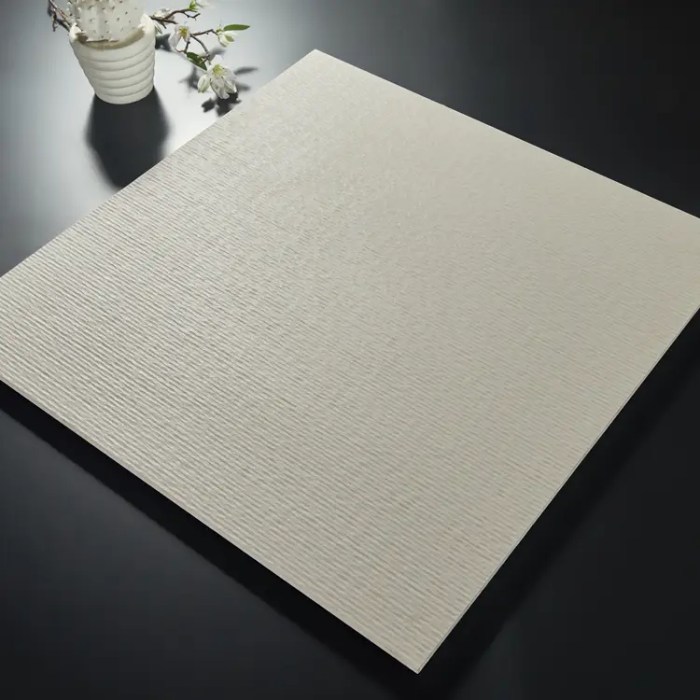
Step aside, boring floors—porcelain tile flooring is here to save the day! Whether you’re looking to channel your inner Picasso with vibrant designs or simply want a durable surface that can withstand a family dance-off, porcelain tiles have you covered. They’re not just tiles; they’re the superheroes of flooring materials, ready to rescue your home from dullness!
Boasting characteristics that range from water resistance to impressive durability, porcelain tiles stand proudly as a superior choice compared to their ceramic cousins. With an array of styles and finishes that can make even the grumpiest of cats purr with delight, there’s a porcelain tile out there to match every home’s personality—from sleek modern vibes to rustic charm.
Porcelain Tile Flooring Basics
Porcelain tile flooring is the epitome of elegance and durability, often making it the go-to choice for homeowners and designers alike. These tiles, crafted from a mixture of fine clay and fired at high temperatures, are not just pretty faces; they come with a host of benefits that make them stand out. Whether you’re looking to revamp your living space or simply want to add a touch of sophistication, porcelain tiles can be your ticket to a stylish and practical flooring solution.The characteristics of porcelain tile flooring include its exceptional density and low porosity, which makes it resistant to moisture, stains, and heavy foot traffic.
This makes it an ideal flooring choice for kitchens, bathrooms, and even outdoor spaces. In comparison to ceramic tiles, porcelain tiles are generally tougher and more durable. Ceramic tiles, while still a great option, tend to be less dense and more prone to chipping, making porcelain the heavy-duty champion of the tile world.
Differences Between Porcelain and Ceramic Tiles
Understanding the differences between porcelain and ceramic tiles is crucial for making an informed decision. While both are made from clay, the key lies in their composition and firing processes. Here’s a brief breakdown of how they stack up against each other:
- Density and Durability: Porcelain tiles are denser and more durable than ceramic tiles, making them suitable for high-traffic areas.
- Water Resistance: Porcelain has a lower water absorption rate, meaning it’s less likely to crack or warp when exposed to moisture.
- Design Versatility: Both tile types come in various designs, but porcelain is more likely to mimic materials like natural stone or wood thanks to advanced printing technologies.
- Cost: Porcelain tends to be a bit pricier due to its manufacturing process, but the investment often pays off in longevity.
This is not just a tile; it’s a commitment to durability and style!
Styles and Finishes of Porcelain Tiles
The world of porcelain tiles is as vast as a painter’s palette, offering an array of styles and finishes that can cater to any aesthetic, from sleek modern to rustic charm. When considering porcelain tiles, one might find themselves enchanted by the following options:
- Glazed: These tiles come with a smooth finish coated with a liquid glass, making them easy to clean and resistant to moisture.
- Unglazed: Known for their natural, earthy look, unglazed tiles offer a more textured finish that’s slip-resistant and perfect for outdoor settings.
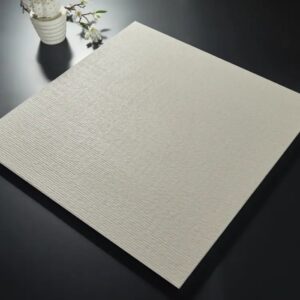
- Textured: These tiles can add depth and character, featuring surface patterns that enhance grip and visual interest.
- Large Format: Big tiles can create a seamless look in large spaces, reducing grout lines and making rooms appear bigger.
- Wood-Look: Porcelain tiles that mimic the aesthetics of wood provide the warmth of timber without the maintenance headaches.
With porcelain, you’re not just choosing a floor; you’re selecting a canvas for your home’s personality.
If you’re ready to take the plunge into the world of porcelain tile flooring, prepare yourself for a stunning transformation that combines both style and substance in a way that will make your friends green with envy (or at least make them ask where you got that chic new floor!).
Installation and Maintenance
Porcelain tile flooring, with its sleek finish and resilience, is akin to the superhero of flooring options. Installing it may seem daunting, but fear not! With some handy tools and a dash of determination, you’ll transform your space into a chic haven. Let’s dive into the world of installation and maintenance, where adventure (and a little elbow grease) awaits!
Step-by-Step Guide for Installing Porcelain Tile Flooring
Before you embark on this thrilling DIY journey, gather your tools and materials. Then, follow this step-by-step guide that will make you feel like a flooring wizard:
1. Preparation
Start by clearing the area; this means removing the old flooring and ensuring the subfloor is clean and level. Think of it as prepping a blank canvas for your masterpiece.
2. Gather Tools and Materials
Essential tools for the job include:
Tile cutter or wet saw (for those precision cuts)
Notched trowel (to spread adhesive like a pro)
Level (to keep your floors as flat as a pancake)
Rubber mallet (for gentle persuasion)
Grout float (to spread that lovely grout)
Measuring tape, chalk line, and safety gear (ear protection and goggles, because safety is sexy).
3. Plan Your Layout
Lay out your tiles without adhesive to create a dry run. This game of Tetris will help you visualize the final product and avoid awkward cuts at the edges.
4. Apply Adhesive
Using the notched trowel, apply thin-set adhesive to a small area of the subfloor. Remember, a little goes a long way, so don’t overdo it or you’ll be swimming in adhesive.
5. Lay the Tiles
Start placing your tiles, pressing them firmly into the adhesive. Use spacers to ensure even gaps for the grout. A rubber mallet can help with any stubborn tiles.
6. Cut Tiles as Needed
For edges and corners, use your tile cutter or wet saw to make those precise cuts. Just avoid the urge to use your kitchen knife; it won’t end well!
7. Let It Cure
Allow the adhesive to set for 24 hours before grouting. This is the perfect time to practice your best “I’m a tile master” pose for Instagram.
8. Grout the Tiles
Remove spacers and apply grout with a grout float, pressing it into the gaps. Wipe off excess with a damp sponge. Don’t worry about getting too clean; a little grout dust adds character!
9. Seal and Enjoy
After the grout has cured (follow the manufacturer’s instructions), seal it to protect against stains. Step back, admire your work, and maybe dance around a little!
Essential Tools and Materials for Installation
Having the right tools and materials is crucial for a successful installation. Here’s a comprehensive list to ensure you’re well-equipped for battle against the flooring gods:
Tools
Tile cutting tools (wet saw or manual cutter)
Notched trowel for adhesive application
Grout float for spreading grout
Rubber mallet for gentle nudging
Level to check your tile’s flatness
Measuring tape and chalk line for precision –
Materials
Porcelain tiles (of course!)
Thin-set mortar for bonding tiles to the subfloor
Grout for filling the gaps
Tile spacers for even spacing
Sealant to protect your grout
With these tools and materials in hand, you’re ready to tackle your porcelain tile flooring with confidence.
Effective Cleaning Tips and Tools for Maintaining Porcelain Tiles
Now that you’ve conquered the installation, let’s talk about keeping those porcelain tiles looking brand new. Regular maintenance is key, and here are some cleaning tips and tools to make that easier than pie:
1. Regular Sweeping or Vacuuming
Dust and dirt can be a porcelain tile’s worst enemy. Sweep or vacuum regularly to keep your tiles fresh. Think of it as a spa day for your flooring!
2. Mopping with the Right Solution
Use a damp mop with a mild detergent or a specialized tile cleaner. Avoid harsh chemicals that could dull the shine. A gentle touch goes a long way!
3. Spot Cleaning Stains
For stubborn stains, a mixture of baking soda and water can work wonders. Apply, let it sit, and then scrub gently. It’s like a mini science experiment for your floor!
4. Seal the Grout
Every 6 to 12 months, apply a grout sealer to keep those joints looking sharp and to prevent staining. It protects your hard work like a superhero cape.
5. Use the Right Tools
Invest in a microfiber mop and non-abrasive scrub brushes for deep cleaning. Avoid steel wool or scrubbers that might scratch your beautiful tiles. Treat them like the royalty they are!By following these tips, your porcelain tiles will shine like the stars they are, ready to impress anyone who steps through your door.
Design Ideas and Applications

Porcelain tile flooring has become a darling in the world of interior design, captivating homeowners with its variety, durability, and charm. Whether you’re channeling your inner minimalist or going all out with bohemian flair, porcelain tiles have the versatility to suit any style. Let’s dive into some popular design trends, explore visual layouts for various spaces, and see how porcelain tiles stack up against other flooring types in your home improvement projects.
Popular Design Trends
In recent years, certain design trends have embraced the beauty and functionality of porcelain tiles. These tiles aren’t just floor coverings; they are integral elements that enhance the overall aesthetic of a room. Here are a few popular trends to keep in mind:
- Wood-Look Porcelain Tiles: Perfect for those who love the warmth of wood but dread the maintenance. These tiles mimic natural wood grain textures and are ideal for high-traffic areas, providing both style and durability.
- Large Format Tiles: Say goodbye to grout lines and hello to sleekness! Larger tiles create an illusion of space, making them perfect for smaller rooms while also reducing maintenance time.
- Bold Patterns and Colors: From Moroccan-inspired mosaics to geometric designs, bold patterns add a touch of personality to any area. These tiles are great for creating accent walls or statement flooring.
- Matte Finishes: Matte porcelain tiles offer a chic look and are less slippery than glossy options, making them a popular choice for bathrooms and kitchens.
Visual Layout Suggestions
When applying porcelain tiles across different rooms, thoughtful layouts can enhance functionality and design. Here are some layout suggestions that will leave your guests saying, “Wow!”
Entryway
Use large, patterned tiles to create a grand entrance that sets the tone for your home. Imagine stepping onto a tile that looks like a work of art, welcoming you with its striking design.
Living Room
Consider a wood-look porcelain tile layout that runs parallel to the longest wall, creating a cozy atmosphere. Add a plush area rug on top for warmth and comfort.
Kitchen
A diagonal layout can add visual interest while also making the space feel larger. Choose tiles with anti-slip properties for safety and style.
Bathroom
For a spa-like vibe, use large format tiles with a matte finish on the floor and smaller, contrasting tiles in a mosaic pattern for the shower area.
Comparison with Other Flooring Types
When contemplating flooring options, it’s essential to weigh the pros and cons of porcelain tiles against other popular materials. Here’s a breakdown of how porcelain tiles compare to hardwood, laminate, and vinyl flooring:
| Flooring Type | Durability | Maintenance | Cost | Style Options |
|---|---|---|---|---|
| Porcelain Tiles | Highly durable, resistant to scratches and stains | Easy to clean, requires occasional sealing | Mid to high range depending on design | Wide variety of styles, colors, and sizes |
| Hardwood | Durable, but can scratch and dent | Requires regular cleaning and refinishing | Higher initial cost | Classic, warm look but limited pattern options |
| Laminate | Less durable, susceptible to water damage | Easy to clean but can’t be refinished | Lower cost | Variety of styles, but less authentic |
| Vinyl | Moderately durable, can tear | Very low maintenance | Generally low cost | Variety of styles, but may look less upscale |
With its myriad of design possibilities and practical benefits, porcelain tile flooring proves to be a frontrunner in modern home décor. So, whether you’re hosting a dinner party or practicing your moonwalk, these tiles will serve as a fantastic foundation for any occasion!
Ultimate Conclusion
In conclusion, whether you’re planning a complete home makeover or just a room refresh, porcelain tile flooring is your go-to for style and resilience. With easy installation, low maintenance, and a myriad of design possibilities, these tiles are ready to bring a touch of elegance to your humble abode. So, roll up your sleeves and let’s get tiling—your floor will thank you!
Question Bank
What is the main difference between porcelain and ceramic tiles?
Porcelain tiles are denser, more durable, and less porous than ceramic tiles, making them suitable for high-traffic areas.
Can porcelain tile be used outdoors?
Yes, certain porcelain tiles are suitable for outdoor use due to their resistance to moisture and temperature changes.
How do I clean porcelain tile flooring?
Simply sweep regularly and use a mild detergent with warm water for mopping—avoid harsh chemicals!
Is porcelain tile flooring slippery?
While some finishes can be slippery, textured porcelain tiles are available for better traction, especially in wet areas.
How long does porcelain tile flooring last?
With proper care, porcelain tile flooring can last for decades, making it a wise investment!