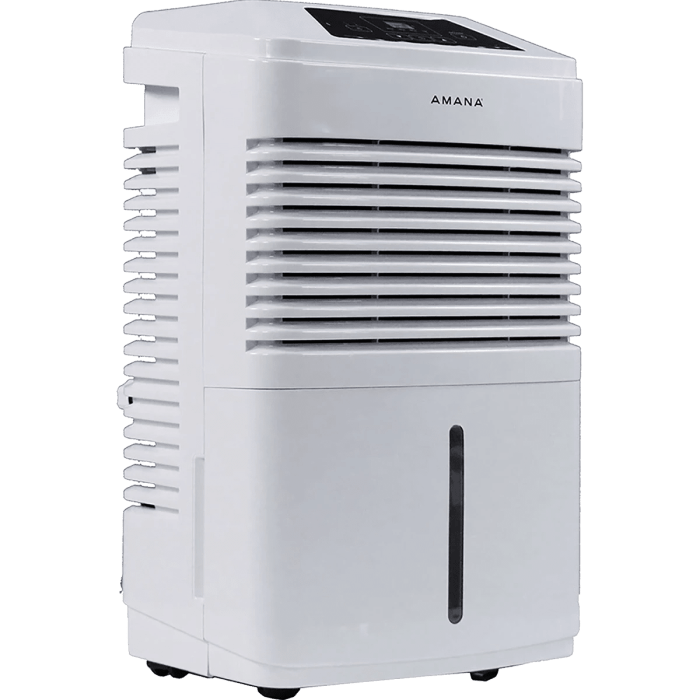
Picture this: your home is a fortress, standing strong against the evil forces of excess moisture. Enter the dehumidifier, the unsung hero of household appliances, stealthily sucking up humidity like a vacuum on a mission! These little machines not only help keep your home comfortable, but they also play a pivotal role in your overall air quality, making them the ultimate sidekick in the fight against mold and mildew.
With a plethora of types and features available, there’s a dehumidifier for every corner of your castle, from the musty basement to the humid bathroom. So, buckle up as we dive into the world of dehumidifiers, exploring their many benefits, how they can save your wallet through energy efficiency, and tips for keeping them in tip-top shape.
Home Appliances
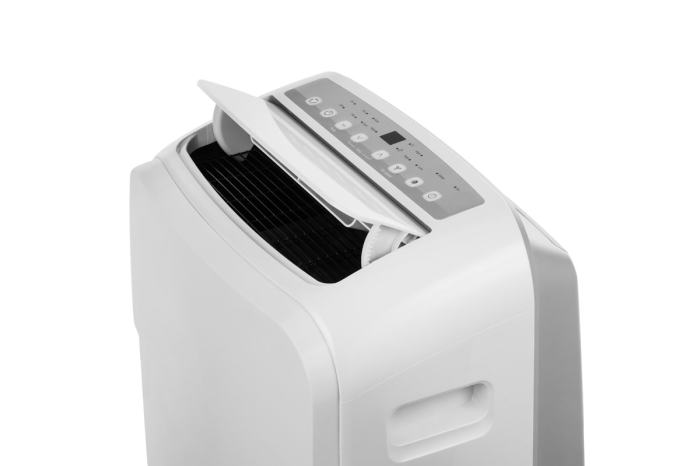
Home appliances are the unsung heroes of our daily routines, quietly laboring away behind the scenes to make our lives more comfortable and convenient. Among these hardworking devices, dehumidifiers play a pivotal role in maintaining a healthy living environment by keeping humidity levels in check. They are the moisture warriors in our homes, ensuring that our space remains a cozy sanctuary rather than a swampy jungle.Dehumidifiers serve as essential components of the home appliance ecosystem, working alongside air conditioners and heaters to create an ideal atmosphere.
While air conditioners may be great at cooling, dehumidifiers specifically target excess moisture. This targeted action offers a range of advantages over traditional moisture control methods, such as opening windows or using fans, which can sometimes just move the sticky air around rather than actually eliminating it. Not only do dehumidifiers help prevent mold growth and protect furniture, but they also improve air quality, ensuring that your home is not a breeding ground for unwelcome spores or musty odors.
Now let’s unpack the various types of dehumidifiers and what makes each one unique and special in its own right.
Types of Dehumidifiers and Their Features
Understanding the different types of dehumidifiers available in the market can help you make informed decisions when selecting one for your home. Each type is equipped with specific features designed to tackle humidity in various environments.The key types of dehumidifiers include:
- Refrigerant Dehumidifiers: These are the most common type, working by cooling the air to condense moisture. They are perfect for warmer climates or areas with high humidity levels. Think of them as the ice cream truck of dehumidifiers, cooling your home down while collecting the extra moisture like sprinkles on a sundae.
- Desiccant Dehumidifiers: These utilize moisture-absorbing materials like silica gel to remove humidity from the air. They operate silently and efficiently, making them ideal for smaller spaces or areas like basements. Imagine them as little sponges, soaking up all that unwanted moisture without making a fuss.
- Whole-House Dehumidifiers: Installed directly into your home’s HVAC system, these models can control humidity throughout the entire house. They are like the personal trainers of humidity control, ensuring that every room is fit and healthy.
- Mini Dehumidifiers: Compact and portable, these pint-sized champions are perfect for closets, bathrooms, or even cars. They might be small, but they pack a punch, making sure your most confined spaces stay fresh and dry.
When choosing a dehumidifier, consider factors like tank size, energy efficiency, noise level, and features such as humidistats and auto shut-off capabilities. The right choice can make a significant difference in your comfort levels, not to mention your home’s overall air quality.
“Dehumidifiers: turning ‘sweaty swamp’ into ‘breezy oasis’ since their invention!”
Home Improvement
Dehumidifiers are the unsung heroes of home renovation projects. While many focus on paint colors and flooring options, the humidity levels in your home can make or break your efforts. Picture trying to renovate your bathroom only to have mold grow faster than your enthusiasm for DIY. With the right dehumidifier, your home can transform into a comfort zone, ensuring that your renovation dreams become a reality without the damp drama.In addition to keeping the air crisp and refreshing, dehumidifiers can enhance the overall atmosphere of your home.
When the environment is less humid, paint dries faster, materials stay in top condition, and your indoor air quality enjoys a much-needed boost. Now, let’s dive into a step-by-step guide for selecting the right dehumidifier tailored to your specific home environment so you can keep your renovation on track and mold-free.
Guide to Selecting the Right Dehumidifier
Choosing a dehumidifier is like finding the perfect pair of shoes: it’s all about fit and function. Here’s a handy guide to help you pick the right model that suits your home like a glove—well, more like a dehumidifying superhero cape!
1. Assess Your Space
Determine the size of the area you want to dehumidify. Larger areas might require a more powerful unit, while smaller rooms can get by with a compact model.
2. Measure Humidity Levels
Use a hygrometer to gauge the current humidity levels. Ideally, indoor humidity should be between 30% and 50%. If you’re hovering above 60%, it’s time to take action!
3. Select the Right Capacity
Dehumidifiers come in various capacities, measured in pints per day. For example:
*Small rooms (e.g., bathrooms)*
a capacity of 30 pints per day may suffice.
*Medium spaces (e.g., basements)*
aim for 50 pints per day.
*Larger areas (e.g., whole homes)*
consider a unit that handles 70 pints or more.
4. Consider Energy Efficiency
Look for Energy Star-rated models to save on electricity bills while keeping the air fresh. Who doesn’t want to save some cash while battling humidity?
5. Portability and Features
Some dehumidifiers are designed with wheels or handles, making them easy to move around. Features like built-in pumps, continuous drainage options, and automatic shut-off can also enhance usability.
6. Maintenance Needs
Check how easy it is to clean and maintain the unit. Models with washable filters and easy-access water tanks make life simpler.
7. Noise Levels
If you’re sensitive to sound, consider the decibel rating. Some models can be as quiet as a library mouse, while others might sound like a lawnmower at full throttle.By following these steps, you’ll not only be armed with the knowledge to choose the right dehumidifier, but you’ll also be able to elevate your home improvement project to new heights of comfort and style.
Impact of Dehumidifiers on Indoor Air Quality
The transformation of indoor air quality after installing a dehumidifier is nothing short of miraculous—like turning a swamp into a serene oasis! Here’s how dehumidifiers can elevate your home’s air quality before and after their installation.Before Installation:
- High humidity can lead to mold and mildew growth, creating an environment where allergens thrive. Dust mites, pet dander, and even that mysterious smell from the laundry room can linger, making the air feel heavy and uncomfortable.
- Breathing can feel like running a marathon in a sauna. The muggy air can lead to increased respiratory issues, especially for those with allergies or asthma.
After Installation:
- With humidity levels under control, mold and allergens have less chance to take root. The air becomes fresher, reducing potential health risks and creating an environment that feels clean and invigorating.
- The dehumidifier works silently in the background, allowing you to breathe easy and enjoy your newly renovated space without the worry of moisture-related issues. It’s like giving your home a refreshing drink of water—minus the soggy floors!
In conclusion, embracing a dehumidifier during home improvement projects isn’t just a wise choice; it’s a game-changer for creating a pleasant living environment. So, let’s raise our dehumidifiers high and toast to improved air quality and successful renovations!
Energy Efficiency
Dehumidifiers aren’t just magical boxes that suck moisture out of the air; they can also be your energy-saving sidekicks! By maintaining optimal humidity levels, these appliances can help lower your energy bills while keeping your home comfortable. Let’s dive into how using a dehumidifier can contribute to energy savings and explore the crème de la crème of energy-efficient models on the market.Maintaining the perfect humidity in your home is like finding the holy grail of comfort.
When humidity levels rise above 60%, your air conditioning system has to work overtime to cool the air, resulting in higher energy consumption and soaring utility bills. A dehumidifier steps in like a superhero to save the day, lowering humidity levels and allowing your air conditioner to operate more efficiently. This synergy not only enhances comfort but also helps in significant energy savings.
Analysis of Energy-Efficient Dehumidifiers
In recent years, energy-efficient dehumidifiers have flooded the market, and navigating through them can feel like a treasure hunt. Here’s a breakdown of key features and models that stand out for their energy-saving prowess:
Energy Star Certification
Look for dehumidifiers with the Energy Star label. These models meet strict energy efficiency guidelines set by the U.S. Environmental Protection Agency. For instance, the Frigidaire FFAD5033W1 boasts excellent ratings for energy efficiency while effectively removing moisture from the air.
Built-in Humidity Sensors
Many modern dehumidifiers come with sensors that automatically adjust the operation depending on the current humidity levels. The hOmeLabs 4,500 Sq Ft Dehumidifier not only senses humidity but also has a continuous drain option, which means you won’t have to keep emptying the water tank. Talk about efficiency!
Variable Fan Speeds
Models with adjustable fan speeds allow you to use less energy when conditions are less humid. The BLACK+DECKER BDT50WT offers several settings to help strike the right balance between comfort and energy savings.
Low-temperature Operation
Energy-efficient dehumidifiers perform well in cooler conditions, making them suitable for basements. The Vremi 70 Pint Dehumidifier is known for operating efficiently in lower temperatures, ensuring that your energy consumption stays in check, even in the chilly months.
To summarize, when choosing a dehumidifier, consider the efficiency ratings, features that help maintain optimal humidity levels, and models that are designed to save energy. When you get the right one, it’s like finding a pot of gold at the end of the rainbow—except this golden pot saves you money!
“An energy-efficient dehumidifier is your home’s best friend against humidity and high energy bills!”
Cleaning Tips and Tools
In the grand saga of home maintenance, few heroes emerge as valiantly as the dehumidifier. This trusty device not only keeps the air dry and delightful but also aids in the relentless battle against mold and mildew. Picture it as your home’s personal bodyguard against the uninvited spores that want to crash your indoor party.Dehumidifiers assist in cleaning and maintaining a mold-free environment by literally sucking the moisture out of the air, creating an inhospitable atmosphere for pesky mold.
When humidity levels drop, mold spores have a harder time taking root, meaning your home stays fresher and healthier. To keep your dehumidifier in tip-top shape and ensure it continues its fight against mold, regular cleaning and maintenance are key.
Methods for Keeping Dehumidifiers Clean and Well-Maintained
Proper maintenance of your dehumidifier ensures it runs smoothly and efficiently. Dirty machines can lead to mold growth instead of preventing it, which would be a plot twist worthy of a bad horror movie. Here are some essential cleaning tips:
Empty the Water Tank Regularly
If you let this fill up, your dehumidifier might turn into a mini swimming pool. Aim to empty it at least once a week, or more often if you live in a humid area.
Clean or Replace the Air Filter
A clogged air filter is like a stuffy nose for your machine. Clear it out at least once a month, or replace it every few months to ensure optimal airflow.
Wipe Down Surfaces
Dust and dirt can settle on the dehumidifier like an unwelcome guest. Use a soft cloth and mild detergent to keep it gleaming. It’s like giving it a spa day!
Check Drain Hoses
If your dehumidifier is set up to drain continuously, make sure those hoses are clear. A blocked hose could lead to a flood, and nobody wants that!To make this maintenance a breeze, consider crafting a seasonal schedule that aligns with your dehumidifier’s needs.
Seasonal Dehumidifier Usage Schedule
Understanding when to crank up your dehumidifier can significantly enhance its performance throughout the year. Here’s a handy breakdown of when to use your dehumidifier to maximize its effectiveness:
Spring
As the weather starts to warm up and humidity levels begin to rise, start using your dehumidifier to keep mold spores at bay. Set it on “high” during particularly damp days.
Summer
This is the dehumidifier’s time to shine! With humidity at its peak, use it regularly to maintain a comfortable indoor environment. Aim for daily usage, especially in the most humid months.
Fall
As temperatures drop and the air gets crisper, you might not need your dehumidifier as much, but keep it running during particularly humid days. It’s like a warm-up act before winter’s chill.
Winter
Depending on where you live, you might think dehumidifiers are hibernating during winter, but don’t neglect them! Use them in areas prone to moisture, like basements or laundry rooms. A little winter humidity can lead to big mold problems.By following these tips and schedules, your dehumidifier will keep the air fresh and your home a safe haven from mold—one whiff of that musty smell, and you’ll be grateful for the little machine that could!
Bath and Shower
When it comes to bathrooms, the delicate balance between comfort and humidity can often feel like a game of hide-and-seek. You enjoy a hot shower complete with steam and serenity, but lurking in the corners might be those nefarious mold and mildew monsters, waiting patiently to spoil your sanctuary. Enter the dehumidifier, armed with the power to vanquish these foes while enhancing your bath-time bliss.The bathroom is a prime target for moisture build-up due to daily activities like showering and bathing.
This excess humidity can lead to a breeding ground for mold and mildew, which not only wreak havoc on your health but also on your tiles and fixtures. A dehumidifier effectively absorbs that extra moisture, maintaining a comfortable humidity level, and helping to keep your bathroom fresh and inviting. It’s like having a superhero for your bathroom—who knew saving the day could be so easy?
Benefits of Using Dehumidifiers in Bathrooms
The advantages of integrating a dehumidifier into your bathroom routine extend beyond mere comfort. Here are several key benefits worth considering:
-
Prevention of Mold and Mildew:
By keeping humidity levels in check, dehumidifiers reduce the chances of mold spores settling in your bathroom. Nobody wants to host a moldy party!
-
Improved Air Quality:
Lower humidity means fresher air, reducing allergens and creating a more pleasant atmosphere for your daily routines.
-
Enhanced Longevity of Fixtures:
Excess moisture can damage tiles, paint, and fixtures. A dehumidifier helps preserve your stylish updates and investments.
-
Faster Drying Times:
Whether it’s freshly washed towels or a steamy shower, lower humidity promotes quicker drying, keeping your bathroom feeling fresh.
Integrating a Dehumidifier in Bathroom Remodeling
During a bathroom remodel, incorporating a dehumidifier is an investment in both aesthetics and functionality. Here are some practical steps to weave in this essential appliance seamlessly:
1. Space Consideration
Assess the layout to identify a suitable spot for the dehumidifier. Ideally, it should be placed where it can efficiently circulate air without becoming an eyesore—like hiding behind a potted plant or under the sink, disguised as a decorative item.
2. Electrical Needs
Ensure there’s an accessible power outlet nearby. No one wants to trip over extension cords while doing the cha-cha in their newly renovated oasis!
3. Select the Right Model
Depending on your bathroom size and humidity levels, choose a dehumidifier that’s both efficient and stylish. Some even come with sleek designs that’ll make your decor jealous.
4. Ventilation Integration
If possible, consider integrating your dehumidifier with the bathroom ventilation system. This combo can work wonders, keeping the air crisp and clean even after the most extravagant bubble baths.
5. Regular Maintenance
During your remodeling journey, don’t forget to plan for regular maintenance of your dehumidifier. A clean filter is essential for optimal performance, ensuring your bathroom remains a mold-free paradise.
Effects of Humidity in Bathrooms
Humidity in bathrooms isn’t just a minor inconvenience; it can escalate into a serious problem if left unchecked. High humidity levels can lead to the following issues:
-
Mold Growth:
Mold thrives in damp environments, and a bathroom with poor ventilation is its dream come true. Constant exposure can lead to health issues for occupants.
-
Structural Damage:
Over time, excessive moisture can warp wood, damage drywall, and corrode metal fixtures, leading to costly repairs.
-
Odor Problems:
A musty smell is often synonymous with high humidity. A dehumidifier can help maintain a fresher scent, keeping you feeling rejuvenated.
-
Uncomfortable Environment:
Humidity can create a muggy feeling, making it less inviting for those post-shower moments of relaxation.
Home Flooring
Humidity can be a sneaky little gremlin that wreaks havoc on our beloved home flooring. From hardwood to laminate, different types of flooring react uniquely to changes in moisture levels, and the damage can range from minor inconveniences to major repairs. With dehumidifiers on your side, you can protect your floors and keep them looking fabulous, just like that time you attempted to dance at your cousin’s wedding and actually didn’t embarrass yourself—well, mostly.Understanding how humidity impacts flooring is essential.
Excess moisture in the air can lead to warping, buckling, or even mold growth, particularly in wooden floors, which are notorious for their love-hate relationship with humidity. Keeping humidity levels in check not only safeguards your investment in flooring but also enhances indoor air quality, making your home a sanctuary of comfort. And if you think about it, your floors deserve a little pampering too!
Impact of Humidity on Flooring Types
Different flooring types have varying levels of susceptibility to humidity. Here’s a closer look at how each one reacts and the importance of maintaining optimal humidity levels.
- Hardwood Floors: These beauties are particularly sensitive. High humidity can cause them to swell and warp, leaving you with a floor that resembles a roller coaster. Maintaining humidity levels between 30-50% can help extend their lifespan and keep them looking sharp.
- Laminates: While more resistant to moisture than hardwood, laminate flooring can still buckle under high humidity conditions. A dehumidifier ensures that your floors stay flat and fabulous, preventing the dreaded ‘wave effect’ that can occur.
- Vinyl Floors: Vinyl is generally impervious to moisture, but excessive humidity can lead to mold growth underneath. So, even if it looks great on the surface, a dehumidifier keeps it safe from the hidden horrors below.
- Tile Floors: Tile is the tough cookie of flooring. However, if grouts are not maintained properly, high humidity can lead to mold and mildew in the joints. Keeping those humidity levels low helps maintain the integrity of the grout and prevents the growth of unwelcome guests.
Preventative Care Plan for Flooring Maintenance
To keep your floors as pristine as a freshly unpacked set of dinnerware, it’s essential to implement a preventative care plan that incorporates dehumidifiers. Here’s a checklist to help you keep your flooring maintenance on point.
- Monitor Humidity Levels: Invest in a hygrometer to keep an eye on indoor humidity. Aim for levels between 30-50% for optimal floor health.
- Utilize Dehumidifiers: Place dehumidifiers strategically in areas prone to moisture, such as basements or bathrooms. Regularly empty and clean the units to ensure they’re working efficiently—like a personal trainer for your air quality!
- Seal Wooden Floors: Ensure that hardwood floors are properly sealed to repel moisture. A good sealant acts as a protective armor, warding off the perils of humidity.
- Regular Cleaning: Sweep and mop floors regularly to remove any moisture build-up. Think of it as a spa day for your floors; they’ll appreciate it!
- Address Leaks Immediately: Be vigilant for signs of leaks or water damage. Catching these early can save you from a flooring catastrophe that may require an expensive ‘floor-ectomy’.
Correlation Between Humidity Levels and Longevity of Wooden Floors
The relationship between humidity levels and the longevity of wooden floors is akin to that of a cat and a laser pointer—intertwined and often chaotic. High humidity can shorten the lifespan of wooden floors significantly, leading to costly replacements.
“Maintaining a balanced humidity level is crucial to extend the life of wooden flooring, preventing issues like warping and mold that can occur with excessive moisture.”
When humidity levels are kept around the ideal range, wooden floors can last decades, preserving their beauty and charm. For instance, a study by the National Wood Flooring Association indicates that maintaining controlled humidity can extend the lifespan of hardwood flooring by up to 25%. Imagine the joy of walking on perfectly preserved wooden floors for years to come—now that’s a sound investment!Remember, just like a plant needs the right amount of water, your floors need the right humidity.
Happy flooring!
Ultimate Conclusion
As we wrap up our moisture-busting adventure, it’s clear that dehumidifiers are not just appliances; they’re your home’s best friends in maintaining a clean, dry, and comfortable environment. Whether you’re renovating, saving energy, or just striving for a mold-free oasis, these devices are the ultimate multitaskers. So, let’s give a round of applause to the dehumidifiers – the unsung heroes of household harmony!
Top FAQs
How often should I run my dehumidifier?
As often as needed! It depends on your humidity levels, but a good rule of thumb is to run it continuously in damp conditions and intermittently when humidity is under control.
Can dehumidifiers help with allergies?
Absolutely! They reduce moisture, which helps control dust mites and mold, two common allergy triggers.
Is it necessary to empty the water tank frequently?
Not if you have a model with a continuous drainage option! But for others, yes, you’ll need to empty it regularly unless you enjoy indoor swimming pools.
Are dehumidifiers noisy?
Some can be a bit noisy, while others are engineered for whisper-quiet operation. It’s like shopping for a roommate!
Do dehumidifiers consume a lot of electricity?
Not if you pick energy-efficient models! They can actually help cut down on your energy bill by making your air conditioning work less.