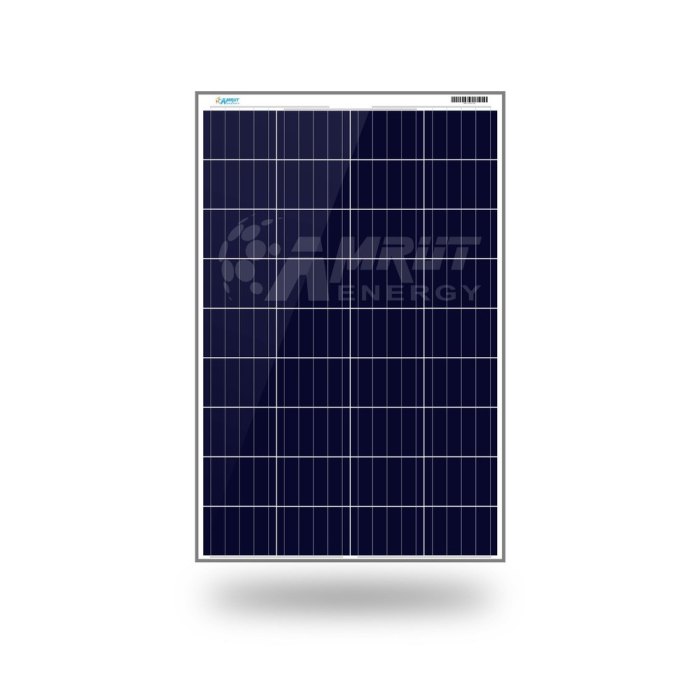
Welcome to the sunny side of life, where Solar panels are reining supreme! These magical rectangles of joy transform sunlight into electricity, giving us a reason to bask in the glow of our own homes while saving a few bucks. What’s not to love about harnessing the power of the sun? From reducing energy bills to increasing your home’s value, solar panels are the VIP guests at every eco-friendly party.
Let’s dive deeper into this dazzling world where solar panels not only beautify your roof but also work tirelessly behind the scenes to power your appliances and make your home the talk of the neighborhood. With types ranging from monocrystalline to thin film, the solar panel market is as diverse as a box of chocolates—each one offering its own unique benefits.
So, grab your shades and get ready to shine a light on how these systems work!
Solar Panel Basics
Solar panels are like the superheroes of the energy world, taking sunlight and transforming it into electricity faster than you can say “renewable energy!” Understanding how they work opens the door to a greener future. So, buckle up your solar seatbelts as we embark on this radiant journey through the world of solar energy!Solar panels operate on a fundamental principle known as the photovoltaic effect.
When sunlight hits the surface of the solar cells, typically made from silicon, it knocks electrons loose from their atoms, generating a flow of electricity. This electricity can then be used immediately, stored in batteries, or fed back into the grid. It’s like catching lightning in a bottle, just without the risk of getting fried!
Types of Solar Panels
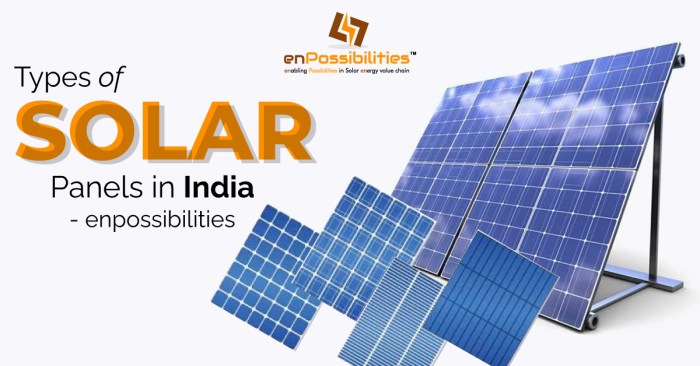
In the market, there are several types of solar panels each with unique characteristics and benefits. To help you navigate this solar smorgasbord, here’s a breakdown of the main types:
- Monocrystalline Solar Panels: Known for their high efficiency and sleek black design, these panels are made from single-crystal silicon. They’re like the top-hitters of the solar world, producing more power per square foot. Their downside? They can be pricier than other options, but you get what you pay for—top-notch performance!
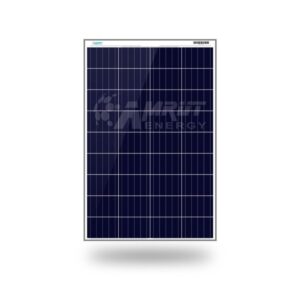
- Polycrystalline Solar Panels: Made from multiple silicon crystals, these panels are typically blue and slightly less efficient than their monocrystalline counterparts. They are budget-friendly, making them a popular choice for those looking to dip their toes into solar without draining their wallets.
- Thin-Film Solar Panels: These panels are like the chameleons of the solar world—lightweight, flexible, and versatile! Made from layers of photovoltaic material, they can be applied to various surfaces, including curved ones. However, they usually require more space to produce the same amount of energy as crystalline panels.
Key Components of a Solar Panel System
A solar panel system is not just panels stuck on your roof; it’s a well-oiled machine designed to harness the sun’s energy efficiently. Understanding its components can help you appreciate the magic behind the curtain. Here’s what you need:
- Solar Inverter: The brain of the operation, the inverter converts the direct current (DC) produced by the solar panels into alternating current (AC) that can power your home. Think of it as the translator for solar energy, turning sunbeams into household power.
- Mounting System: This sturdy structure holds your solar panels in place, ensuring they catch the sun’s rays at the perfect angle. It’s like the trusty sidekick that keeps everything together while the panels do their superhero work.
- Battery Storage (Optional): To store excess energy generated during sunny days for use at night or during cloudy weather, battery storage systems come into play. These batteries are the energy reserves, ensuring you don’t get left in the dark when the sun goes down.
- Monitoring System: This component allows you to keep tabs on your energy production and consumption. It’s like having a fitness tracker for your solar system, helping you see how much power you’re generating and saving!
Solar Panels and Home Improvement
Installing solar panels can be akin to giving your home a fashionable new wardrobe—only this time, it’s not just a style statement but a smart investment. Homeowners are increasingly discovering that solar panels not only serve as a source of renewable energy but also elevate property values and radiate curb appeal, making roofs shine brighter than a disco ball at a Saturday night fever party.
The presence of solar panels can significantly enhance your home’s value as they signal to potential buyers that the property is both eco-friendly and energy-efficient. In fact, studies have shown that homes equipped with solar energy systems can sell for up to 4% more than those without. Investing in solar panels not only saves you money on energy bills but can also make your home a hot commodity on the real estate market.
Integration of Solar Panels with Existing Home Structures
When diving into the world of solar panels, it’s crucial to consider how these high-tech marvels will blend in with your existing home structure. Proper integration can ensure that your solar panels look as slick as James Bond in a tuxedo rather than as awkward as a giraffe in roller skates. Here are some tips to achieve that seamless look:
- Roof Alignment: Ensure solar panels are installed on the roof with the best sun exposure, preferably a south-facing roof. This not only maximizes energy efficiency but also creates a balanced aesthetic from the street.
- Color Coordination: Choose panels that complement your roof color. Black or dark blue panels often blend well with most roofs, while lighter shades can stand out like a sore thumb at a family reunion.
- Architectural Style Consideration: Fit your solar panels into the architectural style of your home. For instance, if your home has a modern design, opt for sleek, minimalist panels that won’t clash with your aesthetic.
- Landscaping Harmony: Consider the surrounding landscaping. If you have tall trees or shrubs, ensure they won’t cast shadows on your panels; otherwise, they might as well be sunbathing in the shade.
Impact on Home Energy Efficiency and Monthly Savings
Solar panels are not just pretty faces; they bring serious benefits to your home’s energy efficiency and can lead to substantial monthly savings. By harnessing the sun’s energy, these panels can dramatically reduce your reliance on traditional energy sources. The result? Lower utility bills that allow you to treat yourself to that extra scoop of ice cream without guilt! Estimates show that homeowners can save anywhere from $10,000 to $30,000 over the lifespan of their solar panels.
When you factor in tax credits, rebates, and net metering, the savings can skyrocket even further. Imagine receiving a check from your utility company instead of a bill every month—it’s like finding money in your winter coat pocket that you forgot about last year!
“Solar panels are like a financial superhero, swooping in to save you money and save the planet at the same time.”
The impact of solar panels on energy efficiency is profound. They can reduce your energy bills by 50% or more, depending on your system size and local energy prices. Additionally, by reducing your carbon footprint, you’re not just saving money; you’re also saving the Earth—one solar panel at a time. So, why not let the sun do the heavy lifting while you kick back and enjoy the benefits?
Solar Panels and Home Appliances
Harnessing the power of the sun is not just for the eco-warriors; it’s for everyone with a roof and a hint of curiosity! Solar panels are like the magic wands of the modern age, turning sunlight into electricity to power your home appliances. Imagine brewing your morning coffee or blasting your favorite tunes in a solar-powered home – it’s not just a dream; it’s reality! Let’s dive into how these panels can work their magic on your household gadgets while helping your energy bills vanish faster than your Wi-Fi during a Zoom call.Solar panels are not just fancy rooftop decorations; they can actually fuel your home appliances, significantly reducing your energy consumption.
By converting sunlight into usable energy, these panels allow you to run everything from your toaster to your television without taking a toll on your wallet. When your appliances are powered by the sun, it means less reliance on traditional electricity sources, which can lead to a substantial decrease in your monthly utility bills. Furthermore, using solar energy contributes to a greener planet, and who doesn’t want to save the earth while saving a buck?
Optimizing Home Appliances for Solar Energy Use
To make the most of your solar panels, it’s essential to optimize your home appliances for solar energy usage. This doesn’t mean you have to swap your beloved appliances for new ones, but rather, make some tweaks to ensure they function efficiently with your solar setup. Here are some methods to maximize the synergy between your solar panels and home appliances:
- Smart Meters: Installing smart meters can help monitor your energy consumption in real-time. This way, you can adjust usage when solar energy is abundant, like during sunny afternoons.
- Energy-Efficient Appliances: Investing in energy-efficient appliances is a no-brainer. Look for products with the ENERGY STAR label; they consume less power and work harmoniously with solar energy.
- Timed Usage: Schedule appliance usage for peak solar hours. Run your dishwasher or washing machine during the day when solar production is at its peak, making the most of the available energy.
- Battery Storage Systems: Consider integrating a battery storage system with your solar panels. This allows you to store excess energy generated during the day and use it at night when the sun has clocked out.
Best Solar-Powered Appliances for Modern Homes
When it comes to outfitting your home with solar-friendly gadgets, there are some star players that shine bright in the world of solar appliances. These devices are designed to maximize the efficiency of solar energy, while also adding convenience to your daily life. Here are some of the best solar-powered appliances that will make your home a beacon of sustainability:
- Solar Water Heaters: Perfect for those long, relaxing showers. Solar water heaters harness the sun’s energy to warm water, reducing the need for gas or electric heating.
- Solar Refrigerators: Keeping food fresh without guzzling electricity? Yes, please! Solar refrigerators are designed to run on solar power, making them ideal for eco-conscious kitchens.
- Solar-Powered Air Conditioners: Beat the heat without breaking the bank! These air conditioners rely on solar energy, which can help you stay cool while keeping your energy costs down.
- Solar Cookers: Cook meals the eco-friendly way! Solar cookers use reflective materials to concentrate sunlight for cooking, making your outdoor meals a sunny delight.
- Solar Chargers: Keep your devices charged and ready to go without using grid power. Solar chargers can power everything from phones to laptops, making them perfect for both home and outdoor adventures.
“Using solar panels to power your home appliances is like turning every sunny day into a power party!”
Last Recap
In conclusion, solar panels are not just about sunny vibes and eco-friendly choices; they’re the superhero sidekick every homeowner needs! By embracing these incredible energy converters, you’re not only saving money and upgrading your home’s appearance but also giving Mother Earth a big ol’ hug. So, whether you’re looking to lighten your electricity bill or simply want to look cool while doing your part for the planet, solar panels are the way to go.
Let’s keep the good times rolling and the sun shining!
Quick FAQs
What are the main benefits of solar panels?
Solar panels can drastically reduce energy bills, increase home value, and provide a sustainable energy source that’s good for the environment.
How long do solar panels last?
Most solar panels come with a warranty of 25 years, but they can last even longer with proper maintenance!
Can I install solar panels myself?
While DIY might be tempting, it’s best to hire professionals to ensure safety and compliance with regulations.
Do solar panels work on cloudy days?
Yes! Solar panels can still generate electricity on cloudy days, though their efficiency may drop a bit.
What happens to solar panels in extreme weather?
Most solar panels are designed to withstand extreme weather, but it’s always a good idea to check for specific durability ratings.