Welcome to the whimsical world of Wireless microphones, where sound travels like a sneaky ninja—stealthy and untethered! Gone are the days of tripping over cords like they’re the villain in your audio saga. Instead, imagine capturing every note, every whisper, and every dramatic pause with the freedom to roam like a majestic gazelle on the savanna. Whether you’re belting out tunes or delivering the next great TED Talk, wireless microphones offer a symphony of convenience and creativity!
These clever little gadgets come in various flavors—from handheld to lapel, each tailored for specific scenarios. They utilize advanced technology to transmit sound across frequency ranges, ensuring crystal-clear audio that can make even the most mundane announcement sound like it’s being delivered by a Shakespearean actor. But before you toss away that tangled mess of wires, let’s explore the delightful benefits and a few quirky pitfalls of going wireless!
Understanding Wireless Microphones
Wireless microphones have revolutionized the way we capture sound, letting performers and speakers roam freely without the hassle of tangled cables. Imagine a world where you can belt out show tunes or deliver a riveting speech while dancing like no one is watching—all without the risk of tripping over a cord! This whimsical freedom is powered by a blend of intricate technology and clever design.
Wireless microphones come in various forms, suited for different applications and user preferences. Each type offers unique features tailored to specific needs, such as:
Types of Wireless Microphones
Understanding the different types of wireless microphones helps users select the most appropriate option for their settings. Here are the primary types available in the market:
- Handheld Microphones: The classic star of the show, perfect for singers and speakers looking to captivate an audience with their charisma. Think of them as the mics that are always ready for an impromptu karaoke battle.
- Lavalier Microphones: Often referred to as lapel mics, these tiny wonders can be clipped onto clothing, allowing speakers to move freely while still sounding fabulous. Picture a news anchor or a sneaky detective whispering secrets without being detected!
- Headset Microphones: Ideal for performers, fitness instructors, and anyone who needs their hands free while they talk. These mics wrap around the head and stay put, so you can juggle flaming torches or lead a Zumba class without a hitch.
- Instrument Microphones: Tailored for musicians, these mics can be attached to guitars, brass instruments, and even drums, allowing for pure musical magic without the constraints of cables.
Technology Behind Wireless Microphones
The technology behind wireless microphones is fascinating and essential for their seamless operation. Most wireless mics operate using radio frequency (RF) technology, which transmits audio signals from the microphone to a receiver. The critical aspects of this technology include:
- Frequency Ranges: Wireless microphones typically operate in several frequency bands, such as VHF, UHF, and digital frequencies. VHF systems usually offer a limited range but are more affordable, while UHF systems provide enhanced audio quality and greater frequency diversity. In contrast, digital systems use advanced encoding for improved signal integrity.
- Transmission Methods: Analog systems transmit audio as continuous signals, while digital systems convert audio into data packets. Digital transmission can yield better sound quality and reduce interference, making it the preferred choice for professional settings.
Advantages and Disadvantages of Wireless Microphones
Every technology comes with its pros and cons, and wireless microphones are no exception. Understanding these factors helps users make informed decisions based on their specific needs. Here are the key advantages and disadvantages:
- Advantages:
- Freedom of Movement: Performers can move around freely, enhancing engagement with the audience.
- Less Clutter: No tangled wires mean a cleaner stage or studio setup.
- Versatility: Wireless mics can be used in various settings, from concerts to corporate events.
- Disadvantages:
- Battery Dependency: Wireless microphones require batteries, which can run out unexpectedly, turning a performance into a silent movie.
- Interference Issues: Other wireless devices can cause signal interference, potentially leading to unexpected audio hiccups.
- Higher Cost: Quality wireless microphones tend to be pricier than their wired counterparts, sometimes leaving a gaping hole in your budget.
“Wireless microphones: empowering performers to go unplugged while still rocking the stage!”
Applications of Wireless Microphones in Various Settings
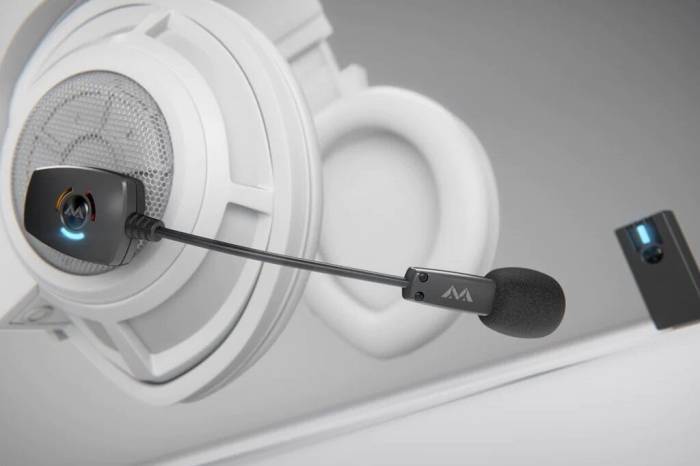
Wireless microphones have become the unsung heroes of sound, sneaking their way into various settings like ninjas of audio! Whether you’re remodeling your guest bathroom or leading an epic woodworking project, these nifty gadgets ensure your voice is heard without the hassle of cords tripping you up. Let’s dive into some creative uses of wireless microphones in everyday scenarios!
Wireless Microphones in Home Improvement and Woodworking Projects
Imagine you’re in the middle of a thrilling home improvement project, wielding a power drill in one hand and a wireless microphone in the other. The beauty of wireless microphones shines here, allowing you to chat with your enthusiastic sidekick without the fear of cable tangles or being accidentally yanked off your ladder. They enable clear communication while you’re balancing on the edge of that precarious DIY disaster waiting to happen.
Here are some ways they are used:
Interactive Workshops
Crafting classes and woodworking seminars often utilize wireless microphones to keep instructors audible over the whir of saws and the buzz of drills. This allows attendees to hear every word without missing a beat—unless someone misplaces their chisel, of course!
Online Tutorials
Those YouTube stars teaching you how to build a rustic coffee table from scratch benefit immensely from wireless microphones. Viewers can hear the precise instructions without the awkward sound of a cord pulling or knocking over that perfect cup of coffee!
Home Tours
When showcasing a newly renovated space, realtors and designers use wireless microphones to guide potential buyers through the property. Imagine a stylish agent navigating you through every nook and cranny while your ears feast on the sweet sounds of their dulcet tones!
Audio Video Setups Benefiting from Wireless Microphone Systems
In the modern age, audio-visual setups are the bread and butter of any event—be it a wedding, corporate meeting, or a knock-your-socks-off concert. Wireless microphones play a starring role, ensuring that the sound quality is as crisp as the visuals. Here’s why they rule the roost:
Small-scale Events
For intimate gatherings, such as family reunions or neighborhood parties, wireless microphones allow hosts to move freely while engaging with guests. No more shouting over the grill while attempting to make a toast; they can just clip on and let the mic do the talking!
Corporate Presentations
Picture a big shot CEO pacing back and forth on stage, sharing their groundbreaking ideas. With wireless microphones, they can engage more effectively with their audience, creating a dynamic and interactive environment that keeps everyone awake—even after the fifth PowerPoint slide.
Film Productions
In the world of cinema, actors can run, jump, and fight while still delivering Oscar-worthy performances. Wireless microphones allow for capturing dialogue without the dreaded boom mic interference—because who wants a giant pole in the shot when you’re trying to focus on emotional depth?
Integration of Wireless Microphones into Live Performances or Productions
Live performances are where the magic happens, and wireless microphones are like the fairy dust that makes them sparkle! Seamlessly integrating these devices into performances can elevate the experience for both performers and audiences alike. Here are some methods to pull it off without a hitch:
Sound Check Mastery
Before the show begins, sound checks become a breeze with wireless microphones. Performers can move around the stage, testing sound levels and ensuring their vocals carry throughout the venue—all while avoiding the dreaded “hot mic” moments.
Choreographed Dance Routines
In productions involving choreography, such as musicals or dance battles, performers can express themselves fully without being tethered by cords. This freedom allows for intricate movements without sacrificing sound quality, turning every step into a symphony of excitement!
Audience Engagement
Incorporating wireless microphones allows performers to interact directly with the audience. Whether it’s a last-minute duet or taking song requests from the crowd, this spontaneity adds an element of surprise that keeps everyone on their toes—just like a good improv night!
Maintenance and Best Practices for Wireless Microphones
Keeping your wireless microphone in tip-top shape is like maintaining a fine wine—it’s all about the right conditions, regular check-ups, and occasional indulgences (like not dropping it!). Wireless microphones are the unsung heroes of audio, enabling speakers, performers, and presenters to shine without the shackles of cords. To ensure your mic continues to deliver crystal-clear sound and avoid any unexpected karaoke sessions, follow these maintenance and best practices that are sure to keep your gear happy and healthy.
Proper Maintenance Techniques for Wireless Microphones
To extend the lifespan of your wireless microphone, proper maintenance is crucial. Here are essential practices to keep your mic sounding like a million bucks:
- Battery Care: Always use high-quality batteries and change them regularly. If your mic starts sounding like a broken record (or worse—cutting in and out), it might just be time for a fresh battery.
- Cleaning: Keep the microphone grill clean. A simple soft cloth can work wonders; just avoid the temptation to use your shirt. Spit happens, but your mic doesn’t need to taste it!
- Storage: When not in use, store your microphone in a protective case. Think of it as giving it a cozy blanket for those chilly nights when it’s not belting out tunes.
- Signal Check: Regularly check the wireless signal. Make sure to scan for frequencies to avoid interference—unless you want to turn your speech into a radio soap opera!
Troubleshooting Common Wireless Microphone Issues
Even the best microphones can experience hiccups from time to time. Knowing how to troubleshoot can save you from a potentially awkward moment on stage. Here’s a handy guide for resolving common issues:
- Sound Issues: If your mic is producing odd sounds or no sound at all, first ensure that the microphone is powered on and that the volume is set correctly. Sometimes, even microphones need a pep talk!
- Interference: If you experience interference, switch to a different frequency. This is like changing the channel when your favorite show starts buffering.
- Dropouts: If your sound drops intermittently, check the battery and the distance between the microphone and receiver. Sometimes they just need a little “space” for their love to flourish!
- Feedback: If you’re getting feedback, adjust the position of the microphone or lower the volume. It’s like telling the microphone, “Hey, keep it down over there!”
Essential Accessories and Tools for Wireless Microphones
Having the right accessories can elevate your wireless microphone experience from “meh” to “magnificent.” Here’s a checklist of must-have items that can keep your microphone functioning at its best:
- Windshields: These foam covers help reduce wind noise, so your audience doesn’t hear a storm brewing while you’re trying to deliver your heartfelt speech.
- Microphone Stands: A good stand can keep your microphone secure and at the right height, letting you focus on your performance instead of playing a game of “Will It Fall?”
- Cables and Adapters: Having spare cables and adapters ensures you’re ready for anything—after all, a little adaptability goes a long way in the world of tech!
- Carrying Cases: Invest in a sturdy carrying case to protect your precious gear. Think of it as a luxury hotel for your microphone—five stars and no room service needed!
- Cleaning Supplies: A microfiber cloth and gentle cleaning solutions will keep your microphone looking brand new. It’s like a spa day for your tech!
Concluding Remarks
As we wrap up this electrifying exploration of Wireless microphones, remember that they’re not just tools; they’re your trusty sidekicks in the quest for impeccable sound. With a little maintenance and a sprinkle of creativity, you can harness their power to elevate your performances, presentations, and even those DIY home improvement projects that are more ambitious than your last trip to the grocery store.
So, gear up, grab your microphone, and let the sound waves carry you to new heights!
Key Questions Answered
What are the main types of wireless microphones?
The main types include handheld, lavalier (lapel), and headset microphones, each designed for different uses and settings.
How do I choose the right wireless microphone?
Consider the type of event, audio quality needed, and your budget. Handhelds are great for speeches, while lavaliers are perfect for interviews.
Can wireless microphones pick up background noise?
Yes, they can. Choosing a directional microphone can help minimize unwanted background noise.
How far can I be from the receiver and still be heard?
Most wireless microphones can work effectively from 100 to 300 feet away, depending on the model and environment.
Do wireless microphones require batteries?
Yes, they typically run on AA batteries or rechargeable ones, so keep spares handy for uninterrupted performances!